Hot Water in Ashtonfield
Hot Water Repair Ashtonfield
Most hot water faults come down to one worn part and one visit to fix it. Plumbers Ashtonfield repairs storage tanks, heat pumps and solar setups across Ashtonfield and nearby suburbs like Metford and Thornton, with the price agreed before any work starts.
What usually goes wrong with hot water systems here
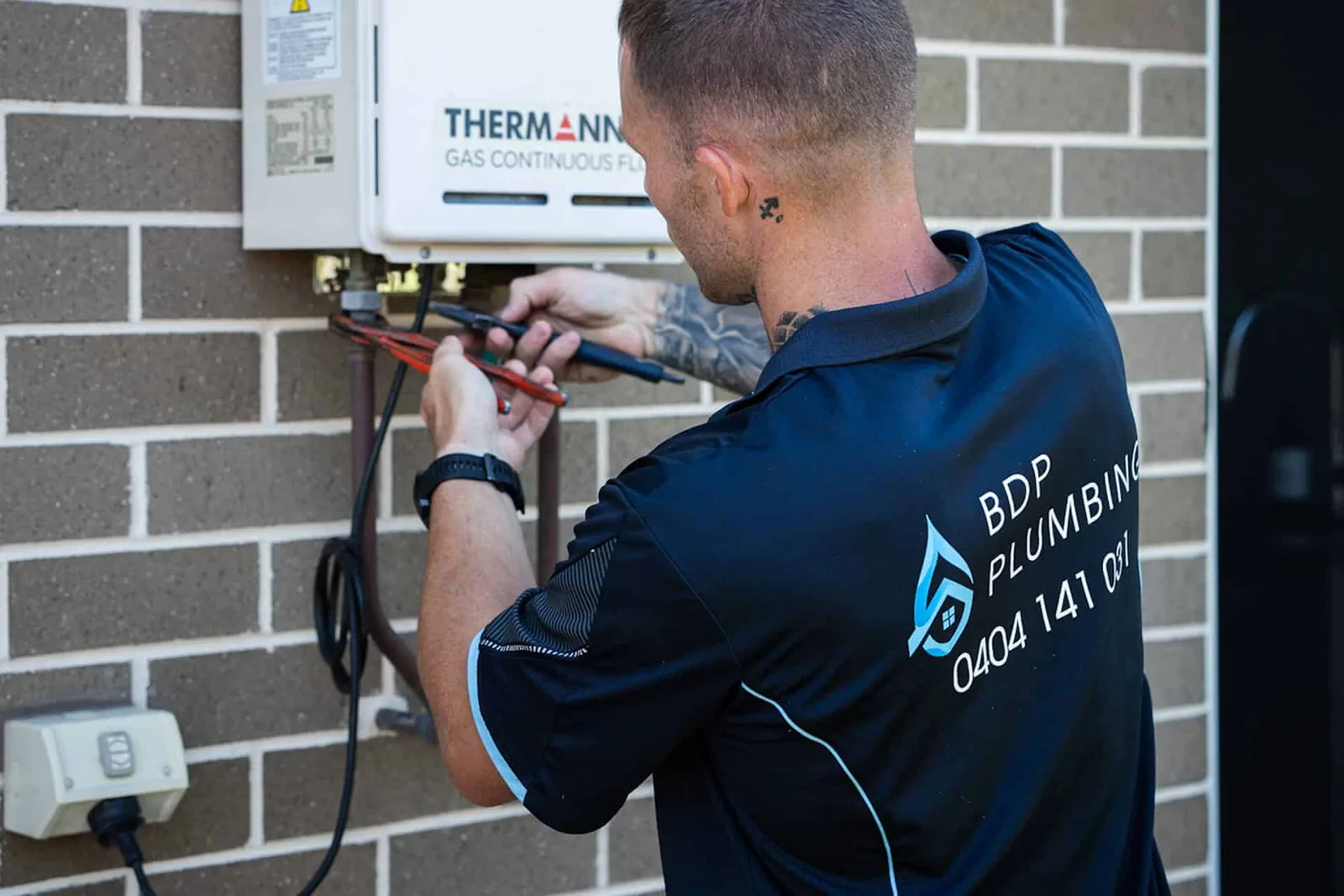
The systems on our regular run date mostly from the estate's build decades, so the faults are predictable. Failed elements, tired thermostats, weeping valves and slow drips at the fittings around the tank account for most call-outs.
Some of those are quick fixes. Some are the first sign the tank itself is finished, and we will tell you honestly which one you have.
Signs the system needs a repair call
Hot water systems rarely fail without warning. The clues usually show up weeks ahead:
- Water pooling or rust-staining around the base of the tank
- Hot water cutting out mid-shower or running lukewarm at every tap
- Rumbling or cracking noises as the tank heats
- A relief valve that drips constantly instead of only during heating
- Rusty or discoloured water from the hot side
Any one of these is worth a phone call on (02) 4063 3438. Two or three together usually mean the tank is on its way out, and the visit becomes a decision rather than a repair.
The four faults we fix most
Elements and thermostats.
Valves.
Leaks at fittings and joints.
Gas and solar faults.
Original tanks from the estate's first decades
Census figures put 93.9 per cent of the suburb's dwellings as separate houses, and most went up between the late 1980s and the 2000s as the estate grew street by street.
Why that matters for repairs.
When the answer changes.
If the answer is weeks, the hot water replacement page sets out the swap, while hot water installation covers choosing a new system from scratch.
Construction-era fittings around the tank
Fast estate construction shows up in hot water work just as much as drainage. Cost-driven fittings and quick-connect joints from the original build surface decades later as weeps and slow drips, usually at the connections above or beside the unit.
Why we start at the fittings. We have traced "failed tanks" that turned out to be a leaking cold-inlet joint, and the fix took under an hour. Diagnosis starts at the connections, not the tank, because a fitting repair is a small job while a tank fault needs the bigger conversation.
If the leak turns out to be somewhere else entirely, leak detection covers the trace-down work.
Repair or replace?
The honest answer depends on three things, and we put all three in front of you before you decide:
The tank's age and state
The fix against a new unit
How it runs day to day
If the call is a replacement, the hot water hub compares storage, heat pump and solar options. If the system has died completely and the household is cold right now, the no hot water page covers same-day response where the schedule allows.
How the job runs
- 1
Call and tell us
Ring (02) 4063 3438 and tell us what's going on in Ashtonfield. We'll ask a few quick questions so the right gear is on the truck the first time.
- 2
Quote before work
You get the price before anything starts. No call-out fee, no hourly surprises: you approve the quote or we shake hands and leave, no charge.
- 3
Diagnose and fix
We test the element, valves and fittings in order of likelihood, name the fault and quote it, then carry out the repair with common parts already on the truck wherever the job allows.
- 4
Backed, no questions asked
If something isn't up to standard afterwards, we come back and make it right, no questions asked. That's the standard every Ashtonfield job is held to.
Why households ring us first
The answer is boring and it works: we turn up when we say we will, and the price on the quote is the price on the bill.
Common elements, thermostats and valves ride on the truck, so most repairs finish the same visit. Where a tank is clearly at the end of its life, we say so on the spot rather than selling a repair that buys a month.
A repair that fails a week later is not a repair. The work is done properly or not at all, and that holds whether it is a valve swap on a family block off Kilkenny Circuit or a full diagnosis on a Sunday morning.
Hot water repair FAQs
Why is water pooling around the base of my tank?
Water at the base often means the tank shell has corroded through, but it can also track down from a fitting above. We confirm where the leak actually starts first.
Can a leaking valve be fixed, or does it mean a new unit?
Valves are consumable parts, so a swap is routine repair work. If the tank under the valve is still sound, a new relief or expansion valve buys years of service.
How long does a hot water repair take?
Most repairs finish in one visit because elements, thermostats and common valves ride on the truck. If a part needs ordering, we make the system safe and book the return fast.
My hot water runs out faster than it used to. Is that repairable?
Often, yes. A failing lower element or heavy sediment build-up cuts usable capacity long before the tank dies, and both are fixable once we have tested what is left.
Do you repair every brand and type of system?
We repair electric storage, gas storage and continuous flow, plus heat pumps and solar. Common parts for the major brands travel on the truck, and odd components get sourced quickly.
Is a repair worth it on a system this old?
We weigh the repair cost against the tank's remaining life and say plainly which way the numbers fall. A small part can buy years, or it can buy weeks.
Plumbers in Ashtonfield and the suburbs around it
Book the repair
Call (02) 4063 3438 and tell us what's happening. $0 call out across Ashtonfield, a clear quote before any work starts, and a job that gets made right if it isn't right the first time.